A Royal Reconciliation or Protocol Shift? King Charles III, Prince Harry, and the Complex World of Royal Titles
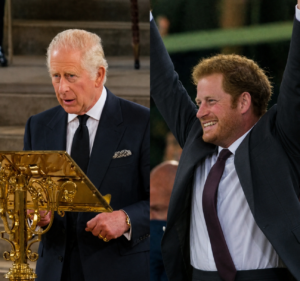
In the long, storied history of the British monarchy, royal titles have served as far more than mere ceremonial labels. They are emblems of duty, line of succession, public service, and the intricate ties that bind the Royal Family together. In recent times, few relationships within the House of Windsor have captured the world’s attention quite like that between King Charles III and his youngest son, Prince Harry, the Duke of Sussex. Whenever news or discussion emerges regarding King Charles granting special titles, honors, or royal dignities, it immediately reignites global fascination about the future of the monarchy and the evolving dynamics within the royal household.
To truly understand the weight of royal titles and any special designations bestowed by the King, one must look at how royal titles work, the history of Prince Harry’s designations, and what special titles mean for the modern British monarchy.
The Evolution of Prince Harry’s Titles
Prince Harry was born His Royal Highness Prince Henry of Wales in 1984. As the son of the heir apparent (then Prince Charles) and Princess Diana, Harry was born directly into the inner circle of the royal family. Throughout his youth and early adulthood, his title reflected his father’s designation as the Prince of Wales.
The Dukedom of Sussex
Upon his marriage to Meghan Markle in May 2018, Her Majesty Queen Elizabeth II conferred upon him a traditional peerage:
-
Duke of Sussex
-
Earl of Dumbarton
-
Baron Kilkeel
Alongside these, Meghan Markle became Her Royal Highness The Duchess of Sussex. These titles represented high honor and a clear commitment to their roles as full-time working royals representing the Crown across the United Kingdom and the Commonwealth.
The 2020 Megxit Agreement and Royalty Status
The landscape changed dramatically in early 2020 when Prince Harry and Meghan announced their decision to step back from their roles as senior working members of the Royal Family. Following high-level discussions—often referred to as the Sandringham Summit—an agreement was reached regarding their official statuses:
| Status / Honor | Post-2020 Position |
| HRH Styling | Retained legally, but not actively used in official or commercial capacities. |
| Peerage Titles | Retained (Duke & Duchess of Sussex, Earl of Dumbarton, Baron Kilkeel). |
| Military Appointments | Relinquished (including Captain General Royal Marines). |
| Royal Patronages | Returned to the Sovereign for redistribution. |
While Prince Harry stepped away from official duties, he remained a Prince of the realm by birth and maintained his place in the line of succession to the British throne.
King Charles III and the Titles of Royal Grandchildren
When King Charles III ascended to the throne in September 2022 following the passing of Queen Elizabeth II, a fundamental rule of royal protocol came into effect—Letters Patent issued by King George V in 1917.
“The children of any Sovereign of these Realms and the children of the sons of any such Sovereign shall have and at all times hold and enjoy the style title or attribute of Royal Highness with their aforesaid dignity of Prince or Princess…”
— Letters Patent, 1917
Under this century-old rule, the moment Charles became King, Prince Harry’s children automatically became grandchildren of the reigning monarch in the male line. Consequently, special royal status was formally recognized for Harry’s children:
-
Prince Archie of Sussex
-
Princess Lilibet of Sussex
In early 2023, the official royal family website was updated to reflect these titles, marking a significant milestone in recognizing Harry’s family within the formal structure of the monarchy under King Charles’s reign.
Why Royal Titles and Honors Matter
For King Charles III, the allocation of titles, state honors, and chivalric orders is one of the most visible tools of monarchical authority. Titles serve several critical functions within the sovereign state:
1. Symbol of Service and Loyalty
Traditionally, extra honors—such as the Order of the Garter, the Order of the Thistle, or special military appointments—are granted to royals and citizens who actively serve the nation and the Crown.
2. Modernizing the Monarchy
King Charles has long championed a “slimmed-down monarchy.” His vision focuses on a core group of working royals—such as Prince William, the Princess of Wales, the Princess Royal (Princess Anne), and the Duke and Duchess of Edinburgh—to streamline costs and emphasize active public service.
3. Family Unity vs. Constitutional Duty
Navigating family relationships alongside constitutional duties presents a delicate balancing act for King Charles. Granting or maintaining royal titles for Prince Harry reflects the King’s dual role as both a loving father and the Head of State. While formal military roles remain separate from non-working royals, the retention of noble peerages underscores the enduring blood bond.
The Future of Royal Honors in the Reign of King Charles III
As King Charles continues his reign, the world remains attentive to how royal honors, hereditary titles, and special appointments are managed. Whether through special recognitions for charitable endeavors, such as Harry’s groundbreaking work with the Invictus Games, or official diplomatic acknowledgments, royal titles continue to bridge historical tradition with contemporary global interest.
Prince Harry’s journey—from a young prince of Wales to the Duke of Sussex forging an independent path in California—demonstrates that while titles carry historic weight, personal identity and purpose often redefine what it means to carry a royal legacy in the 21st century.
Key Takeaways
-
Hereditary Privilege: Prince Harry retains his birth title of Prince and his created peerage as the Duke of Sussex.
-
Next Generation: Under King Charles III, Harry’s children officially received the titles Prince Archie and Princess Lilibet.
-
Modern Royal Balance: King Charles III continues to balance traditional royal protocols with a modernized, streamlined vision for the British Monarchy.
